Terezín City Overview: History, Memory and Historical Significance
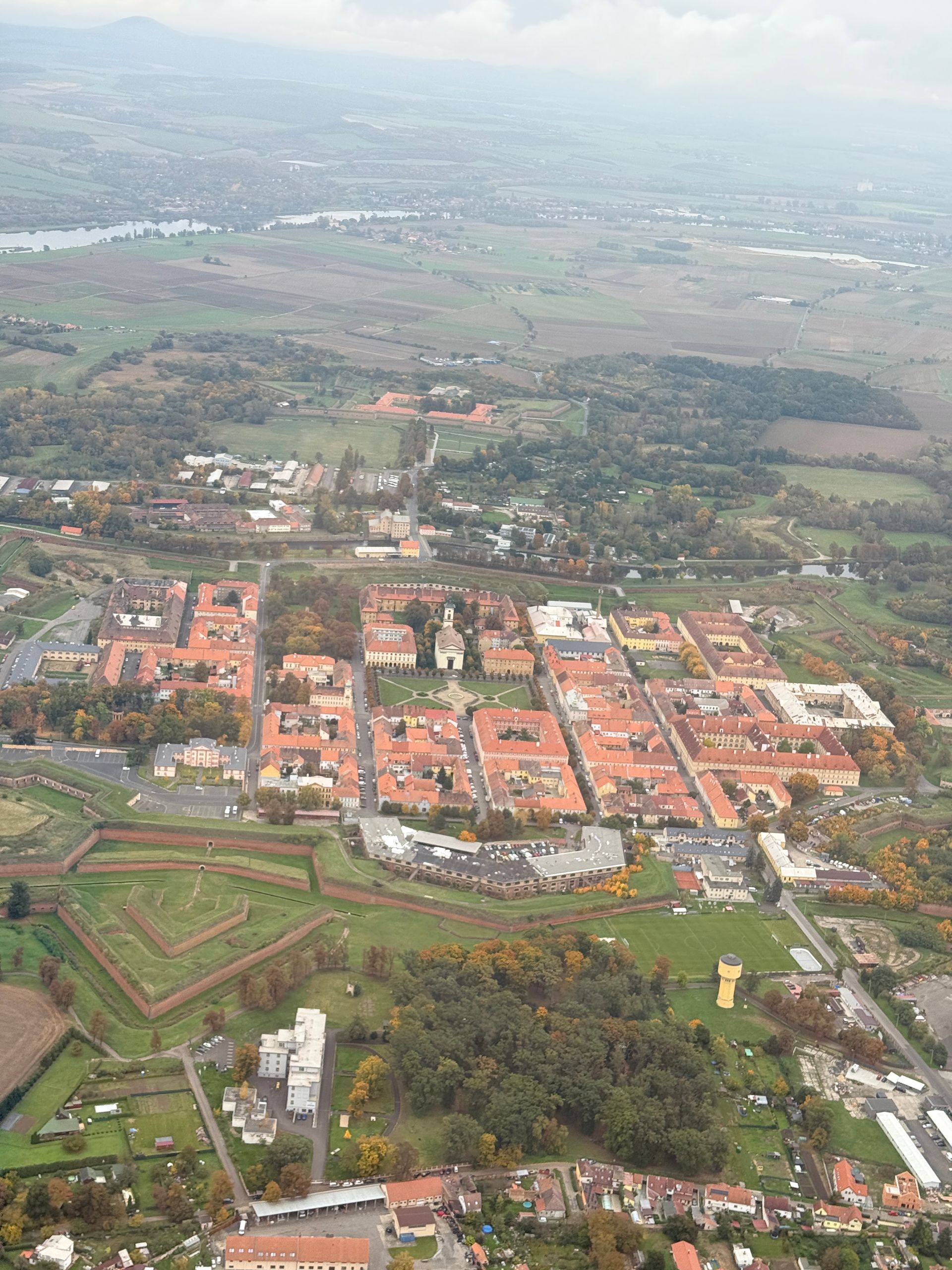
Terezín is a place unlike any other in the Czech Republic. While it may appear at first as a quiet fortified town, its history carries a deep and powerful significance that makes it one of the most important historical sites in Central Europe.
Founded in the late 18th century as a military fortress, Terezín was designed to protect the northern borders of the Habsburg Empire. Its geometric layout, massive walls and defensive structures remain well preserved and give the town a distinctive and somewhat austere character.
However, Terezín is most widely known for its role during World War II. The town was transformed into a Jewish ghetto and transit camp by the Nazis, where tens of thousands of people were held before being deported to extermination camps. Today, this history is carefully preserved through memorials, museums and former prison sites that serve as a reminder of the past.
Key locations such as the Small Fortress, which functioned as a prison, and the former ghetto area offer visitors a deeper understanding of the events that took place here. Walking through Terezín is a quiet and reflective experience, very different from typical tourist destinations.
Despite its heavy history, Terezín is not defined only by tragedy. It is also a place of remembrance, education and respect. Visitors come not just to see, but to understand and reflect.
Terezín offers an important perspective on European history and serves as a powerful reminder of the consequences of intolerance and conflict. It is a destination that leaves a lasting impression, not through spectacle, but through its meaning.
What To Do In Czechia