Brno City Overview: History, Culture, Local Atmosphere and Wine Regions
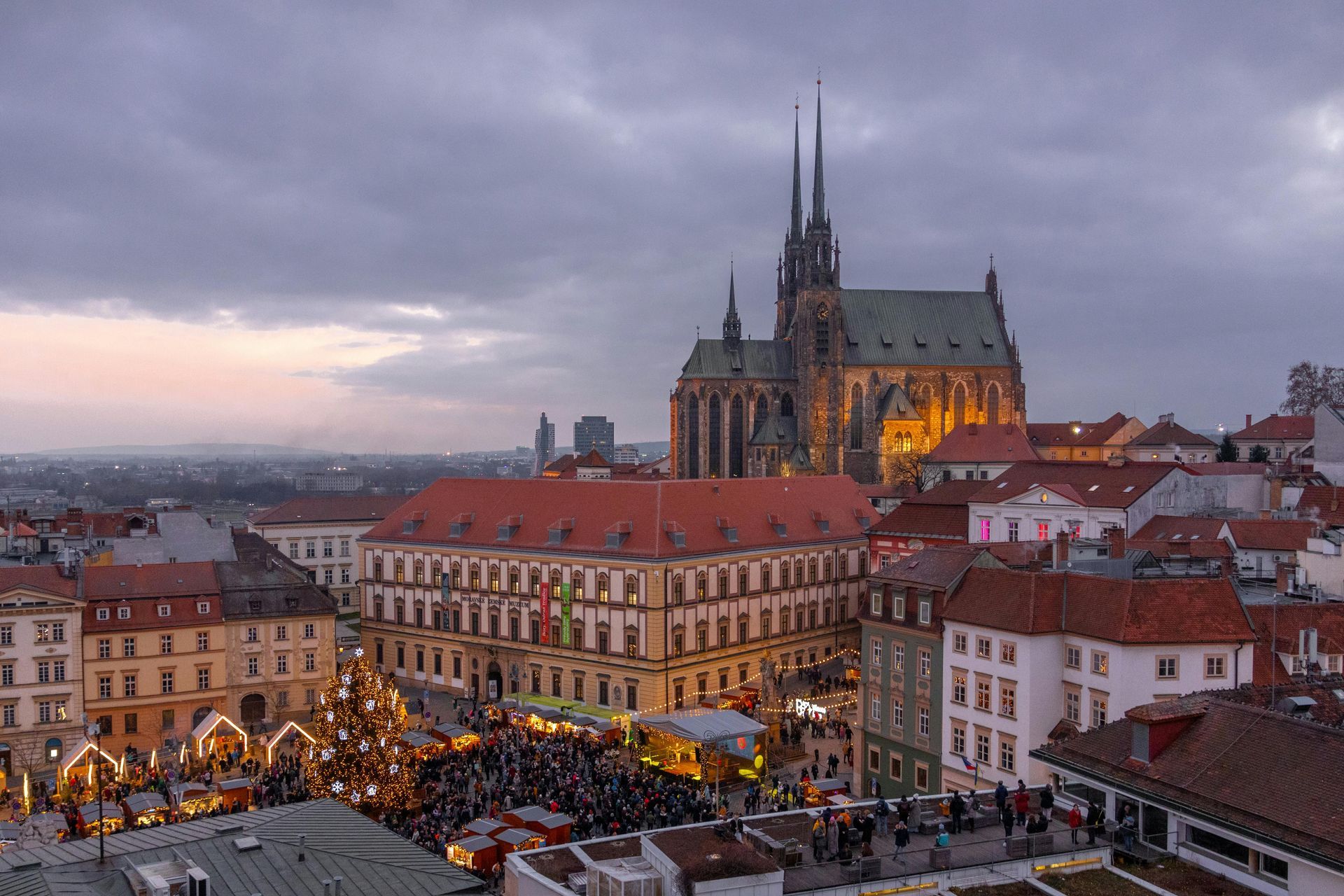
Brno is often overlooked at first glance, yet it quickly becomes one of those places that feels authentic, lived in and surprisingly rich once you give it a chance. As the second largest city in the Czech Republic, it offers a completely different atmosphere from Prague. It is less crowded, more relaxed and in many ways more local, which is exactly what many travelers end up appreciating the most.
The city blends history with a strong modern identity. Its skyline is shaped by landmarks like Špilberk Castle and the Cathedral of St Peter and Paul, both overlooking the compact city center. Walking through Brno reveals a mix of architectural styles, from medieval streets and hidden courtyards to bold functionalist buildings such as Villa Tugendhat, one of the most important modernist houses in Europe.
What defines Brno today is its energy. A large student population gives the city a vibrant and youthful feel, with cafés, bars and restaurants spread across the center. It is a place where you can spend the day exploring sights and the evening enjoying a relaxed but lively atmosphere without the intensity and crowds of larger tourist destinations.
Brno is also a gateway to one of the most distinctive regions in the country. Just beyond the city, the landscape opens into rolling hills, vineyards and small villages that define South Moravia and its long winemaking tradition.
Wine regions around Brno
A short drive from Brno takes you into a completely different world. South Moravia is one of the key wine regions in Central Europe, yet it remains far less commercialized than many better known destinations. This gives the entire area a sense of authenticity that is hard to find elsewhere.
The region around Mikulov and the Pálava hills is among the most scenic. Vineyards stretch across gentle slopes with wide views over the countryside, often creating an atmosphere that feels closer to southern Europe than to Central Europe. The area is especially known for white wines, including Riesling, Grüner Veltliner and the local variety Pálava, which stands out for its aromatic character.
Lednice and the Lednice Valtice Cultural Landscape offer a unique combination of wine, nature and architecture. This UNESCO listed area connects vineyards with grand chateaux, landscaped parks and long cycling paths. It is one of the most elegant ways to explore the region, whether you move between wine cellars, historic sites or quiet village roads.
What truly defines South Moravian wine culture is its personal approach. Many wineries are small and family run, and visiting them often feels informal and direct. Wine tasting here is not a staged experience but a genuine interaction, often taking place in a cellar with the winemaker himself.
For anyone visiting Brno, exploring these wine regions is not just an extra activity. It is a natural continuation of the experience and one of the strongest reasons why this part of the Czech Republic leaves such a lasting impression.
What To Do In Czechia